Common Errors to Steer Clear of During Your Water Heater Installation: Expert Insights
When setting up a water heater, several key mistakes can lead to inefficiencies and safety hazards. From choosing an incorrectly sized unit to overlooking local regulations and ventilation needs, these missteps can result in serious long-lasting issues. Furthermore, faulty connections and overlooking energy efficiency ratings can create challenges during installation. Recognizing these frequent errors is critical for a smooth and successful installation. What additional key considerations should be taken into account to ensure a flawless installation?
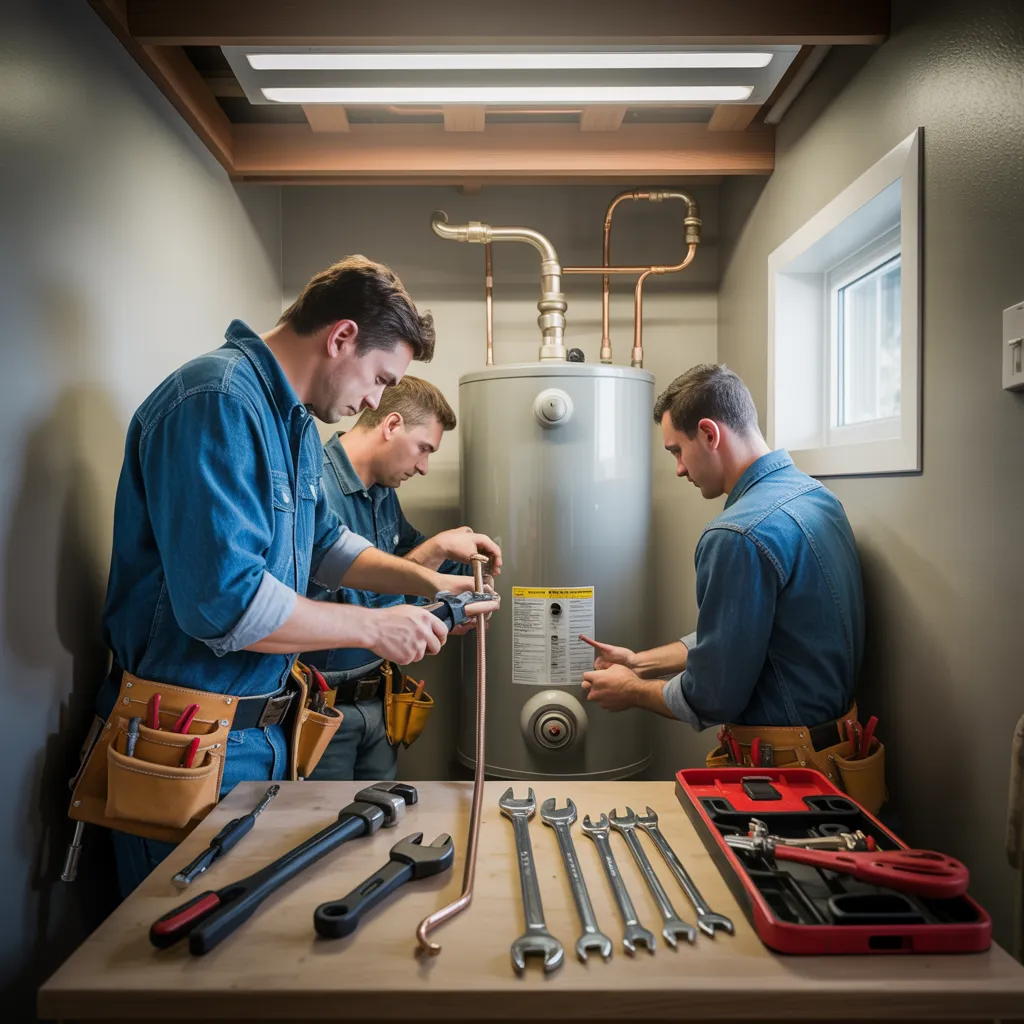
Selecting an Incorrectly Sized Water Heater for Your Installation
How does one determine the appropriate size for a water heater? Choosing the right size is necessary to guarantee optimal water heating and convenience in a home. The initial step includes analyzing the home's peak hot water demand, which generally takes place during morning and evening hours. This can be measured by considering the total number of kitchen appliances, bathrooms, and laundry facilities.
Moreover, one should also consider the recovery capacity of the water heater, which shows how efficiently it can restore hot water after depleting its supply. A water heater that is too compact will result in an inadequate hot water supply for occupants, while an overly large unit can result in wasted energy and higher costs.
Always Consider Local Codes
When fitting a water heater, understanding local regulations is essential to guarantee compliance. Failing to obtain the necessary permits can lead to costly fines and installation delays. Working with experienced professionals can deliver key knowledge about local codes, assisting in avoiding potential complications.
Know Your Local Regulations
Comprehending regional codes is crucial for a smooth water heater installation. Following these requirements provides safety, efficiency, and legality. Regional regulations often dictate detailed criteria regarding installation procedures, materials, and equipment. As an illustration, some regions may have guidelines for venting, seismic bracing, or even the model of water heater permitted based on environmental requirements. Not complying with these codes can cause significant fines, delays, or even the need for a total reinstallation. Furthermore, knowing the regulations assists with selecting the suitable size and model for the property's needs, improving energy usage. Homeowners should reach out to local building authorities or refer to official resources to obtain a complete understanding of relevant codes before proceeding with installation.
Obtain Required Permits
Acquiring the appropriate permits is a critical step in the water heater installation undertaking. A number of homeowners tend to disregard this element, believing it to be unnecessary or overly burdensome. However, local building codes and regulations commonly necessitate permits to guarantee safety and compliance with building standards. Neglecting to acquire the required permits can lead to fines, project delays, and potential liability issues if the installation does not meet safety guidelines. Furthermore, permits frequently require inspections that validate the installation's compliance with local regulations, safeguarding both the homeowner and the property. As a result, homeowners should investigate their local codes and acquire the proper permits before moving forward with the installation, thus preventing issues and ensuring a seamless, compliant procedure.
Seek Professional Guidance When Needed
A large number of homeowners fail to recognize the intricacy of water heater installations, often leading them to overlook local codes. These codes, established to guarantee safety and efficiency, vary by region and can greatly impact installation procedures. Disregarding these regulations may result in regulatory violations or dangerous circumstances. Seeking expert guidance is critical, as they possess the expertise to handle these requirements with precision. Professional installers keep pace with evolving codes and can help homeowners avoid costly mistakes. Additionally, professionals can provide valuable insights regarding the appropriate type of water heater for particular circumstances. In the end, working with certified professionals not only secures conformity with local requirements but also improves the durability and efficiency of the water heating system.
Common Ventilation Missteps That Affect System Performance
Adequate ventilation is essential for peak water heater operation. Typical problems consist of improper vent pipe measurements and restricted airflow channels, both of which can hinder efficiency and safety. Resolving these problems is essential to ensure the system functions efficiently and consistently.
Undersized Vent Pipe Dimensions
Insufficient vent pipe sizing can seriously impact a water heater's functionality and security. Proper venting is vital for the proper elimination of combustion gases. When the vent pipe is inadequately sized, it limits air circulation, leading to backdrafts that can cause dangerous carbon monoxide buildup. This not only compromises the unit's efficiency but also poses serious health risks to residents. Additionally, oversized vent pipes can lead to inadequate draft, resulting in partial combustion and unnecessary energy loss. Choosing the right size is necessary for ideal ventilation and functionality. Residents should refer to manufacturer specifications and local codes to determine the appropriate dimensions for their particular water heater unit, thereby avoiding expensive errors and guaranteeing safe performance.
Blocked Ventilation Channels
Blocked ventilation channels may drastically reduce a water heater's efficiency and safety, in addition to the problems caused by insufficient vent pipe measurements. If vents become obstructed by debris, insulation, or building materials, exhaust gases are unable to exit correctly. This could cause a dangerous buildup of carbon monoxide and decreased efficiency, forcing the unit to operate harder and use more energy. Additionally, improper venting can cause overheating, which may damage the water heater or pose get details on this fire hazards. Consistent inspections and maintenance are critical to confirm that ventilation pathways remain clear. Homeowners should also be cautious about the placement of vents, avoiding areas prone to obstructions. Resolving these typical issues can greatly extend the lifespan and safety of a water heating system.
Connecting Water and Gas Lines Improperly
It is vital to confirm that connections are tight and secure, employing proper fittings and materials tailored to each line. Experts advise verifying all connections and following local codes and regulations to avoid accidents. Moreover, choosing the right type of pipe and sealants is critical; as an example, gas lines demand specialized materials to ensure safety and compliance.
In the end, ensuring water and gas lines are correctly connected can protect homeowners from expensive repairs and hazardous conditions, making it a critical part of the installation process.
Ignoring Energy Efficiency Ratings in Your Water Heater
How can homeowners be certain they pick the right water heater for their specific requirements? One important factor to consider is the energy efficiency rating of the unit. Frequently, homeowners neglect this detail, leading to increased energy costs and avoidable environmental damage. Water heaters are generally assessed using their Uniform Energy Factor (UEF) or Energy Factor (EF), which indicates their efficiency in converting energy into hot water.
Selecting a water heater with a higher efficiency rating can considerably decrease operational costs over time. For example, models with a UEF of 0.90 or higher are typically more efficient compared to lower-efficiency ones. Additionally, energy-efficient units may be eligible for rebates or incentives, additionally reducing installation expenses. Homeowners should consider these ratings and work with professionals to verify they select a model that meets their needs while promoting sustainable energy use. Ignoring this factor can cause long-term financial and environmental repercussions.
How to Effectively Insulate Pipes and Tanks
Insulating pipes and the water heater tank is essential for maintaining energy efficiency and reducing heat loss. Proper insulation minimizes heat loss, ensuring that water remains hot for longer periods, which can result in reduced energy costs. To successfully insulate the water heater tank, homeowners are advised to use a pre-cut insulating blanket, ensuring it fits snugly around the tank without covering any vents or controls.
For pipes, foam pipe insulation sleeves are recommended. These sleeves can be easily cut to size and slipped onto both hot and cold water pipes. Extra focus should be placed on regions experiencing notable temperature changes, like basements or crawl spaces. Additionally, securing insulation with tape can further enhance its effectiveness. Regular checks for wear and tear are essential; damaged insulation should be replaced promptly to maintain peak performance. Appropriate insulation not only boosts energy conservation but also increases the longevity of the water heater system.
When to Call a Professional for Installation
At what point should homeowners think about hiring a professional for water heater installation? Several scenarios warrant this decision, particularly when dealing with complex systems or unfamiliar technologies. As an example, if the installation involves gas lines or requires electrical work, expert knowledge is critical to securing safety and conformity with local regulations. Furthermore, homeowners lacking experience in plumbing or installation may face challenges that could lead to improper setups, resulting in leaks or inefficiencies.
Additionally, if the existing unit is outdated or has unique configurations, a professional can assess the situation accurately and recommend suitable solutions. Homeowners should also take into account their scheduling limitations; if they are unable to dedicate sufficient time to a DIY project, hiring a professional can save both time and potential frustration. At the end of the day, identifying one's boundaries and comprehending the challenges of water heater installation can help homeowners arrive at the best choice for their circumstances.
Commonly Asked Questions
What Is the Typical Duration of a Water Heater Installation?
An average water heater installation usually takes between two to four hours, according to the intricacy of the system and existing pipework. Factors such as accessibility and any necessary modifications can influence the installation duration.
What Tools Do You Need for a DIY Water Heater Installation?
A do-it-yourself water heater installation calls for essential tools such as adjustable pliers, a pipe wrench, screwdrivers, Teflon tape, a drill, a level, and proper safety gear. Proper preparation guarantees a smoother installation process and enhanced safety.
Can I Install a Water Heater in a Closet?
That's correct, a water heater can be installed in a enclosed space, given that it adheres to regional codes and proper ventilation requirements. Adequate space for maintenance and safety clearances needs to be addressed as part of the installation process.
What Are Signs of a Faulty Water Heater Installation?
Signs of a defective water heater installation include fluctuating water temperatures, odd noises, leaks, and insufficient hot water supply. Additionally, extreme rust, water buildup, or substandard drainage may indicate inadequate installation techniques or equipment failure.
What Is the Recommended Maintenance Schedule for My Water Heater After Installation?
Experts recommend maintaining a water heater at least once a year. This includes flushing the tank, inspecting for leaks, and examining the anode rod to guarantee peak performance and increase the longevity of the appliance.